


The digital landscape is evolving at lightning speed, making it more challenging than ever for businesses to stand out online. In 2026, a functional website is no longer optional—it is the foundation for trust, engagement, and growth.
To help you stay ahead, this article explores nine essential features that every high-performing website will need in the coming year. Are you ready to future-proof your online presence and outpace the competition?
Why Functional Website Features Matter in 2026
As we approach 2026, the digital ecosystem is evolving at a breakneck pace. Users expect more than just visually appealing sites—they demand seamless, secure, and intuitive functionality. The foundation of a successful online presence now hinges on how well a functional website meets these growing expectations.
The Shifting Digital Landscape
Digital consumers are more discerning than ever. With rapid advancements in AI, voice technology, and personalized experiences, expectations for a functional website are rising sharply. Shoppers and readers want instant access, intuitive navigation, and content tailored to their needs.
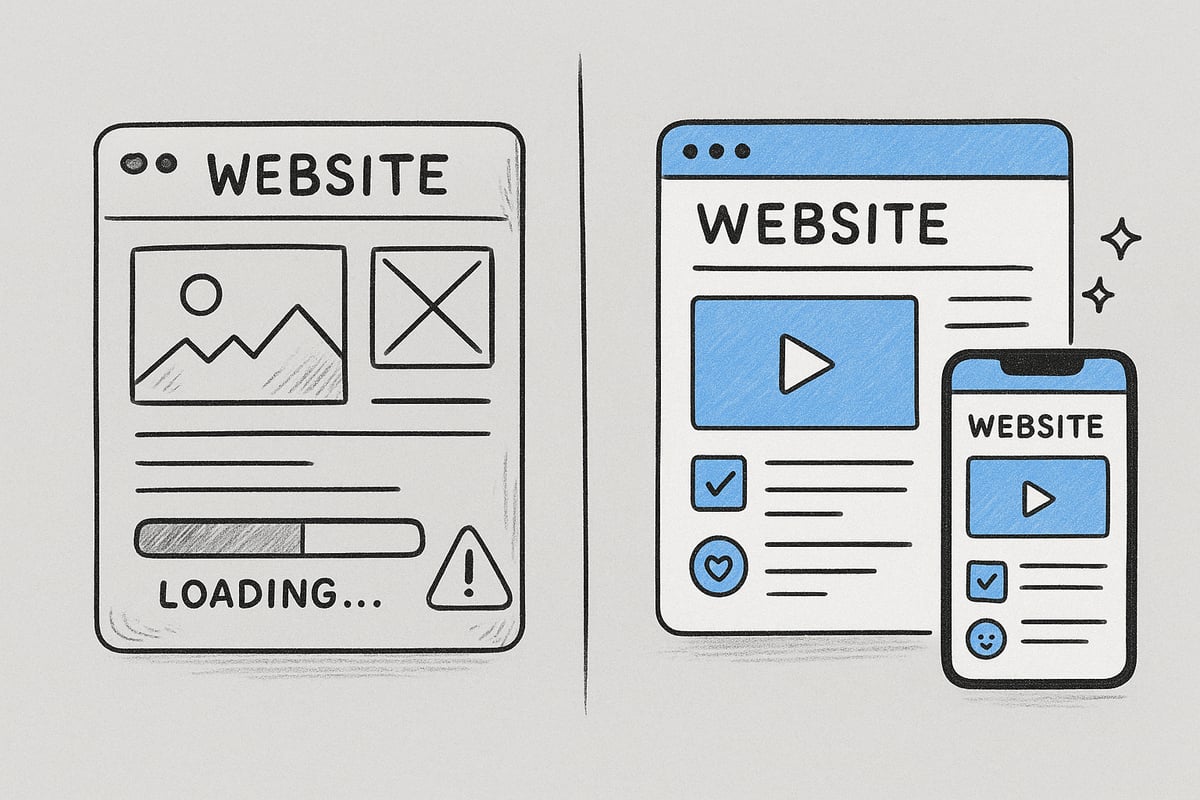
Emerging technologies like AI-driven personalization and voice search are reshaping how people interact with websites. Seamless experiences are no longer optional—they are essential. Recent data highlights that bounce rates are climbing, with over half of users unwilling to wait more than three seconds for a page to load. According to Website load speed impact on conversions, slow sites can lose up to 53% of their visitors before any engagement even begins.
A functional website is a key driver of trust and credibility. When users encounter broken links, confusing layouts, or sluggish pages, their confidence in the brand plummets. High-performing sites with intuitive features foster loyalty and increase the likelihood of conversions.
The Cost of Outdated Website Functionality
Neglecting essential features on your functional website can be costly. Outdated or poorly maintained sites often suffer from lost leads, diminished SEO performance, and reduced engagement. Studies reveal that even a one-second delay in page load can result in a 7% drop in conversions, directly impacting revenue.
Search algorithms in 2026 will prioritize user experience more than ever. Sites with outdated features risk slipping in rankings, making it harder for potential clients to find them. Accessibility and compliance are also crucial. The modern web demands inclusivity, and failing to meet accessibility standards can lead to legal challenges and alienate a significant portion of your audience.
The cumulative effect is clear: a neglected functional website undermines both visibility and trust, making it difficult to compete in a crowded digital marketplace.
Key Benefits of Prioritizing Functional Features
Focusing on a functional website brings measurable advantages. Improved user satisfaction leads to higher retention rates, as visitors are more likely to return and engage with your content or services. A seamless experience enhances your brand's reputation and positions you as a credible authority in your industry.
High-performing sites see increased conversion rates and a stronger return on investment. By proactively adopting future-ready features, you future-proof your online presence against shifting trends and technological disruptions. The result is a robust, adaptable platform equipped to thrive in the ever-changing digital landscape.
9 Essential Functional Website Features for 2026 Success
The future of digital success depends on building a truly functional website. In 2026, websites must combine cutting-edge features with usability, performance, and adaptability. These nine essential elements will define what it means to have a high-performing, future-ready functional website. Let us explore each feature in-depth, highlighting best practices, key data, and actionable steps to ensure your online presence thrives.
1. Advanced Mobile Responsiveness
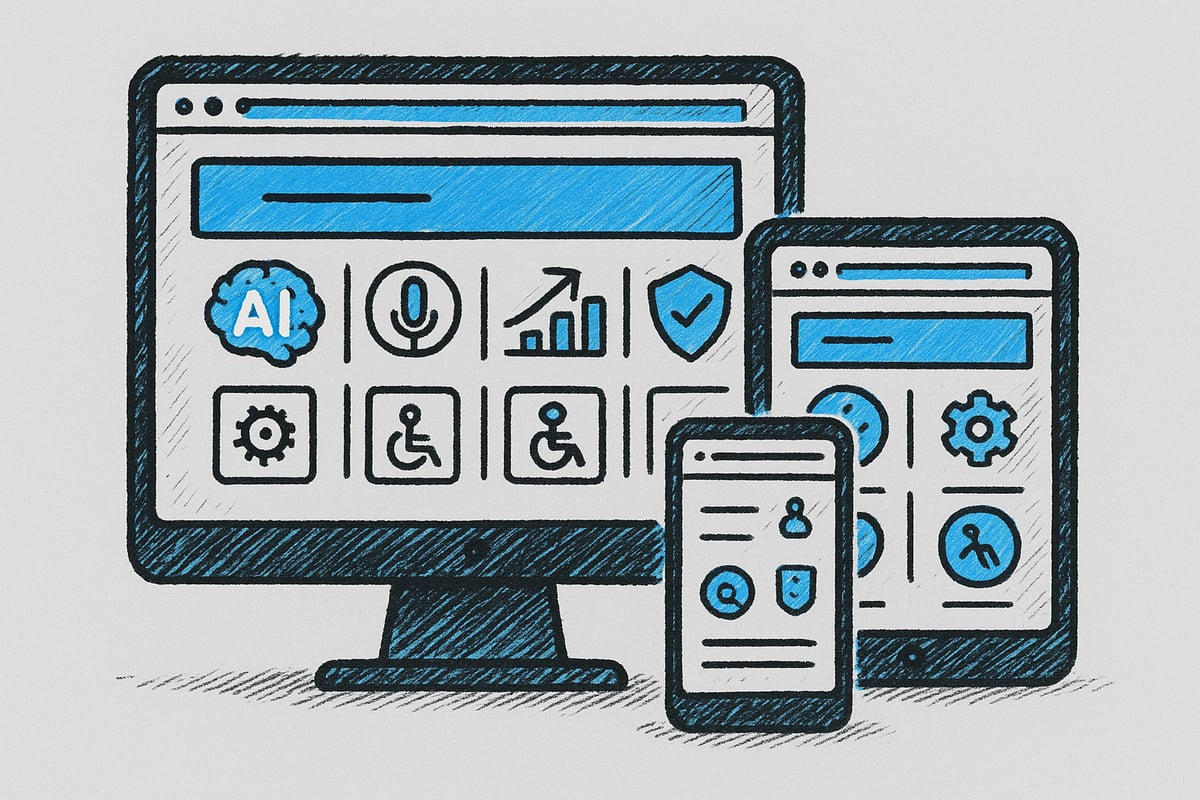
A functional website in 2026 must deliver seamless experiences on every device, from smartphones to desktops. Adaptive layouts ensure content is readable and engaging, regardless of screen size. Touch-optimized navigation, large tap targets, and intuitive gestures are now expected by users everywhere.
Mobile performance matters more than ever. Fast-loading assets and minimized code keep your site agile, while mobile-first indexing directly influences search visibility. Studies show that sites with optimized mobile experiences report up to 70 percent higher engagement compared to their desktop-only counterparts.
For the best results, regularly test your functional website on multiple devices. Use tools like Google Lighthouse and BrowserStack to identify issues. Prioritize speed by compressing images, deploying responsive media, and leveraging CSS grid or flexbox for fluid layouts.
Best Practices:
- Test on real devices, not just emulators
- Use scalable fonts and fluid grids
- Optimize images and scripts for mobile delivery
With over 75 percent of browsing projected to be mobile-based by 2026, adopting a mobile-first design approach is critical for a functional website that stands out.
2. AI-Powered Personalization
Modern users expect a functional website to know their preferences and deliver tailored experiences. AI-powered personalization leverages user data to provide dynamic content, smart product recommendations, and personalized calls-to-action. This level of customization increases engagement and boosts conversion rates by up to 20 percent.
Integration with chatbots and virtual assistants ensures users get real-time support, making your functional website more interactive and helpful. However, transparency is vital. Always communicate how data is collected and used, building trust with your audience.
Implementation Tips:
- Start with simple personalized offers or content blocks
- Use AI to segment users and automate product suggestions
- Monitor privacy regulations and update your policies accordingly
For businesses of all sizes, AI-driven personalization is now accessible. Solutions range from simple plugins to custom machine learning models. As highlighted in AI-driven personalization in web design, these innovations are reshaping the expectations for a truly functional website.
3. Voice Search Optimization
Voice search is transforming how users interact with a functional website. By 2026, over 50 percent of all searches are expected to be voice-activated. To keep pace, your site must support structured data and schema markup, allowing search engines to interpret content for voice queries.
Conversational language and long-tail keywords are essential. Users speak differently than they type, so optimizing content for natural phrases increases visibility. An advanced functional website also includes fast, accurate site search and accessibility features, benefiting all users, including those with disabilities.
Key Steps:
- Add FAQ sections using conversational language
- Implement schema for products, events, and articles
- Test voice search queries on popular devices
Statistics show that sites optimized for voice search experience higher engagement and longer session durations. Adapting your functional website to this trend is no longer optional, but a necessity for future growth.
4. Lightning-Fast Load Speeds
Speed is a fundamental pillar of every functional website. Users expect pages to load in under two seconds. Even a one-second delay can cause up to a seven percent drop in conversions, significantly impacting revenue.
Image and video optimization are crucial. Compress files, use modern formats like WebP, and implement lazy loading to prioritize above-the-fold content. Content delivery networks (CDNs) distribute assets globally, reducing latency and improving site speed.
Best Practices:
- Minimize third-party scripts
- Use browser caching and server-side compression
- Continuously monitor performance with tools like GTmetrix and PageSpeed Insights
Regularly review your functional website for bottlenecks. Fast load times increase user satisfaction, boost SEO, and keep visitors engaged.
5. Robust Security and Privacy Features
A functional website must protect user data and build trust. Advanced SSL/TLS encryption, multi-factor authentication, and secure login protocols are now standard. Compliance with privacy laws such as GDPR and CCPA is critical, as regulations continue to evolve.
Transparent data collection and clear cookie management further reinforce credibility. Security breaches can cause significant brand damage and loss of customer confidence.
Security Checklist:
- Keep software and plugins updated
- Conduct vulnerability scans and penetration testing
- Provide clear privacy policies and consent options
User trust is a key differentiator in a crowded digital landscape. Investing in robust security ensures your functional website is a safe and reliable destination for every visitor.
6. Seamless Integrations with Third-Party Tools
A future-ready functional website connects effortlessly with popular marketing, CRM, and analytics platforms. These integrations streamline workflows, automate routine tasks, and enable real-time data sharing.
E-commerce businesses benefit from integrated payment gateways, inventory management, and email automation. Compatibility and regular updates are essential to avoid disruptions and maintain efficiency.
Integration Essentials:
- Choose platforms with open APIs and strong support
- Schedule regular reviews for plugin compatibility
- Prioritize integrations that deliver measurable business value
Businesses report saving hours each week by automating processes on their functional website. Selecting integration-ready platforms ensures your site remains agile and scalable.
7. Accessibility for All Users
Accessibility is non-negotiable for any functional website. Adherence to WCAG 2.2 and legal standards guarantees inclusivity for users with disabilities. Features like descriptive alt text, keyboard navigation, and ARIA labels make content usable for everyone.
Regular accessibility audits and usability testing uncover barriers and drive continuous improvement. Over 15 percent of the global population benefits from accessible sites, expanding your reach and engagement.
Accessibility Best Practices:
- Use high-contrast color schemes and readable fonts
- Provide transcripts for audio and video content
- Test with screen readers and assistive technologies
An accessible functional website not only meets legal requirements but also demonstrates your brand’s commitment to social responsibility.
8. Dynamic Content Management Systems
A flexible content management system (CMS) is essential for a functional website. Modern CMS platforms offer user-friendly interfaces, support for multimedia, and modular design for rapid updates. Role-based permissions streamline workflow management, allowing teams to collaborate efficiently.
Businesses that leverage dynamic CMS solutions report up to 50 percent faster update times. This agility is crucial for responding to trends and maintaining a competitive edge.
Key Considerations:
- Choose a CMS with strong security and scalability
- Support for third-party integrations and custom plugins
- Easy-to-use dashboards for non-technical users
A dynamic CMS ensures your functional website can evolve as your business grows, keeping content fresh and relevant.
9. Data-Driven Analytics and Reporting
Data is the backbone of every functional website. Real-time tracking of user behavior and engagement provides actionable insights. Customizable dashboards integrate with marketing automation and CRM tools, enabling smarter decision-making.
Privacy-focused analytics options help balance insight with compliance. Businesses that use data-driven strategies see measurable growth, higher ROI, and improved user satisfaction.
Analytics Tips:
- Set clear KPIs aligned with business goals
- Use A/B testing to optimize features and content
- Schedule regular reviews of analytics reports
Leveraging analytics empowers you to refine your functional website continuously, ensuring it meets evolving user needs and market trends.
Future-Proofing Your Website: Strategies for Ongoing Success
Staying ahead in the digital landscape requires more than just launching a functional website. It means consistently evolving to meet user expectations and technological advances. To ensure your website remains effective and competitive, you need a clear strategy for future-proofing every functional website feature.

Continuous Monitoring and Iteration
Regularly auditing your functional website is essential for sustained performance. Schedule frequent performance checks to identify slowdowns, broken features, or outdated elements. Use analytics to track user behavior and spot areas needing attention.
Invite user feedback through surveys or feedback forms. This direct input uncovers usability issues and helps prioritize improvements. Implementing a routine for accessibility and security reviews is vital, ensuring your website remains compliant and safe.
Iterative updates based on these insights keep your functional website aligned with evolving trends and user needs.
Investing in Scalable Solutions
Selecting scalable platforms is key for supporting future growth. Choose content management systems and integrations that allow easy expansion as your business evolves. Modular features make it simple to add new functionalities without overhauling your entire site.
Prepare your functional website for future integration needs by opting for solutions with strong support and regular updates. Automation tools can streamline workflows, saving valuable time as your online presence grows.
For example, Website maintenance for functional medicine demonstrates how ongoing care and flexible platforms help practices adapt to new challenges and opportunities.
Building a Culture of Digital Excellence
Fostering a culture of digital excellence ensures your team stays proactive. Invest in ongoing training for emerging technologies, best practices, and compliance standards. Encourage collaboration and knowledge sharing to keep skills sharp.
Set clear, measurable goals for your functional website improvement. Reward innovation and adaptability to motivate your team to stay ahead of trends. This mindset helps your organization respond rapidly to changes in the digital environment.
By cultivating this culture, every team member becomes invested in the ongoing success of your functional website.
Measuring Success and ROI
Define precise KPIs that align with your business objectives. Track these metrics using robust analytics tools to measure the effectiveness of each functional website feature.
Review data regularly to identify what’s working and what requires adjustment. Use these insights to refine strategies, optimize user experience, and maximize ROI. Privacy-focused analytics can help maintain user trust while delivering actionable insights.
Continuous measurement ensures your functional website delivers sustained value and supports long-term business growth.
As you reflect on the nine essential website features for 2026, consider how your wellness business can truly thrive by staying ahead of these digital shifts. The right blend of advanced functionality, seamless user experience, and ongoing optimization does more than just meet expectations—it builds lasting trust and drives real results. You do not have to navigate these changes alone. If you are ready to elevate your online presence and focus on what you do best, let us handle the details. Work with us now