

In 2026, a high-performing personal training website is your most powerful business asset. The fitness industry is growing rapidly, and standing out online is essential for success in a crowded digital landscape.
This guide offers a comprehensive, step-by-step blueprint designed to help you launch, optimize, and grow a personal training website tailored for the evolving fitness market. You will discover how to define your brand, design for conversions, integrate essential features, master SEO, and future-proof your online presence for long-term growth.
Explore industry growth statistics, learn about modern website trends, and see how real trainers have achieved success. Take action today and unlock actionable strategies to ensure your website thrives in 2026 and beyond.
Defining Your Personal Training Brand and Goals
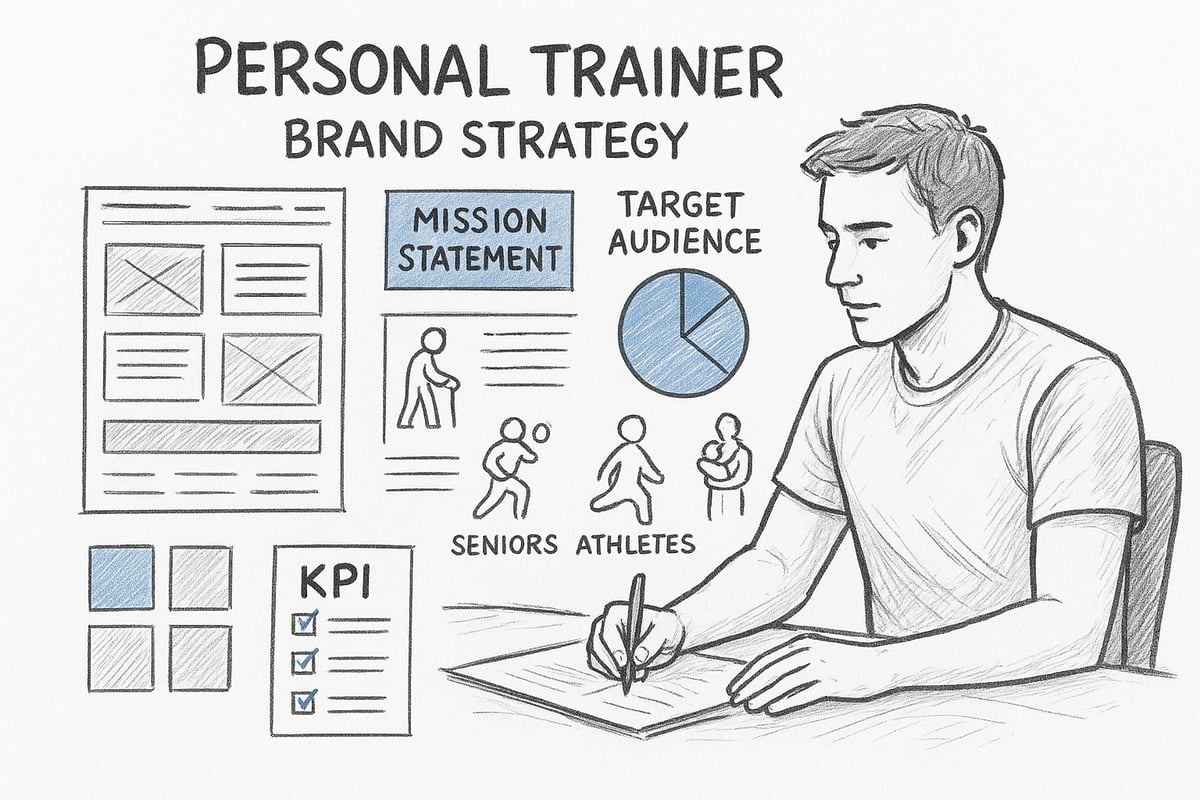
To build a high-impact personal training website, you must first define who you serve and how you stand out. Clarity in your brand and goals lays the foundation for digital success.
Understanding Your Niche and Audience
Identifying your specialty is crucial in a crowded fitness market. Do you focus on HIIT, seniors, athletes, or perhaps postpartum women? Conduct thorough research on your target demographic's age, goals, and pain points. Explore psychographics, such as motivation and lifestyle, to tailor your personal training website content.
Competitor analysis helps you find market gaps. Did you know 72 percent of clients choose trainers who specialize? According to 2026 Fitness Industry Statistics, specialization is a major factor in client decision-making. Compare a generalist site to one focused on women's postpartum fitness to see how niche focus drives engagement.
Crafting a Unique Value Proposition
What sets your personal training website apart from the rest? A unique value proposition communicates your results, methodology, and use of technology. Start with a clear mission and vision—what impact do you want to make in the fitness world?
Showcase your credentials, certifications, and client testimonials. For example, a "12-Week Transformation Challenge" can serve as a signature program. Ensure your value proposition is prominent on your personal training website, so visitors quickly understand your unique promise.
Setting Measurable Website Goals
Every personal training website should have clear, measurable goals. Define key performance indicators like lead generation, bookings, newsletter signups, or online program sales. Use SMART goals—Specific, Measurable, Achievable, Relevant, and Time-bound—for tracking progress.
Benchmark your performance. Fitness websites typically convert at 2 to 5 percent. For instance, you might set a goal to increase bookings by 30 percent within a year. Tracking these KPIs helps your personal training website grow with purpose and precision.
Aligning Brand Identity with Website Design
Your personal training website must reflect your brand identity through consistent design choices. Select color palettes, fonts, and imagery that match your values and audience appeal. Consistency across all digital touchpoints builds trust and recognition.
Consider your market position. A minimalist design suits premium, one-on-one training, while bold colors and energetic images work for group classes. A cohesive identity ensures your personal training website leaves a lasting impression and keeps visitors engaged.
Building a High-Converting Personal Training Website
Launching a high-converting personal training website in 2026 means more than just going online. It requires a strategic approach that blends the right technology, compelling content, and seamless user experience. Every decision, from platform choice to accessibility, shapes your brand’s impact and conversion rates. Let’s break down the essential steps to building a personal training website that delivers measurable business results.
Choosing the Right Platform and Tools
Selecting the optimal platform is foundational for your personal training website. WordPress offers unmatched customization, letting you use plugins for booking, payments, and memberships. Wix and Squarespace provide intuitive drag-and-drop builders, ideal for trainers who want simplicity and fast setup.
Fitness-specific platforms bundle booking, client management, and e-commerce in one place, reducing integration hassles. However, they can limit design flexibility and scalability. For example, WordPress paired with a robust booking plugin enables advanced features, while an all-in-one fitness CMS streamlines daily operations.
When comparing options, consider:
- Customization needs and design control
- Integration with payment and scheduling tools
- Ongoing costs for hosting and support
Choose a platform that aligns with your current needs and future growth plans for your personal training website.
Essential Website Features for Personal Trainers
Every successful personal training website must include features that create a seamless client journey. Online scheduling and booking systems are essential, allowing clients to reserve sessions 24/7. Integrated payment processing ensures transactions are secure and hassle-free.
Mobile responsiveness is critical, as 63% of fitness searches now happen on mobile devices. Leading solutions like Acuity Scheduling and Stripe make it easy to offer real-time bookings and smooth payments.
Key features to implement:
- Automated appointment scheduling
- Secure online payments
- Mobile-friendly layouts
- Intake forms for new clients
Prioritize features that save time for both you and your clients, boosting the efficiency and appeal of your personal training website.
Designing for User Experience and Conversion
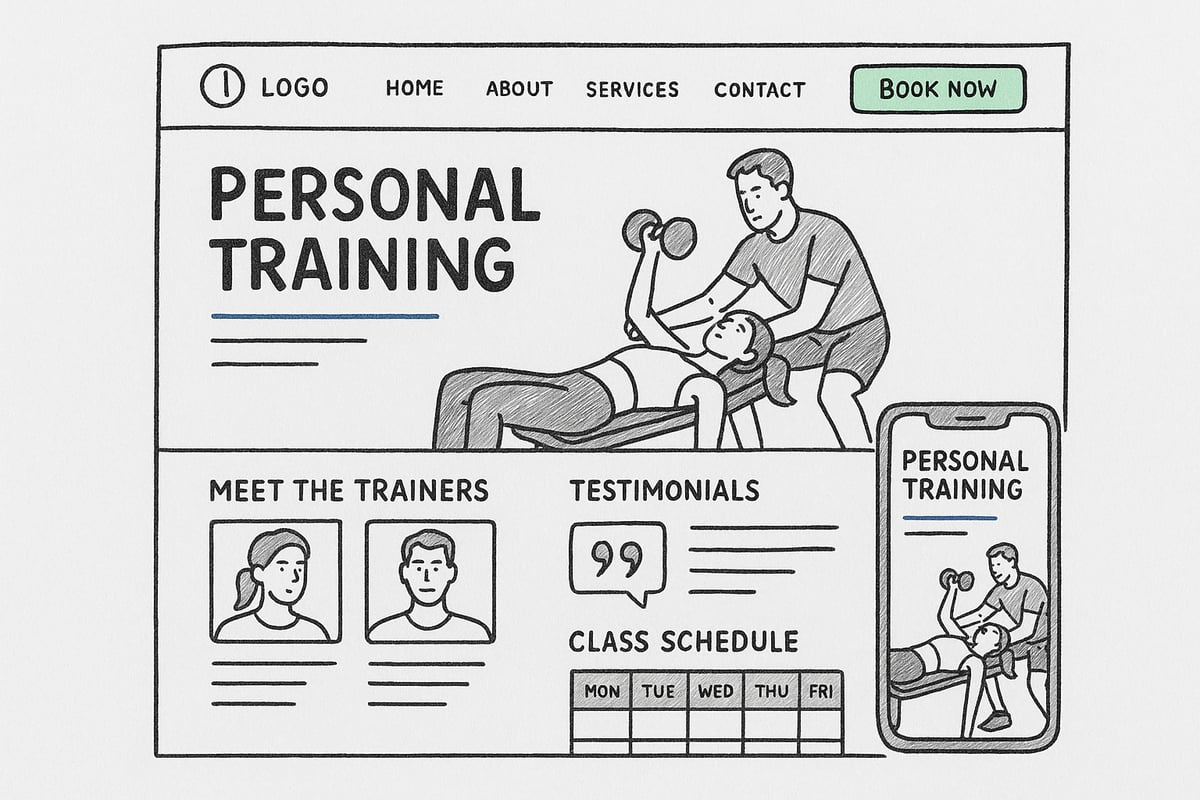
A high-converting personal training website puts user experience at the forefront. Streamlined navigation, fast loading times, and clear call-to-action buttons guide visitors toward booking or contacting you.
Best practices include placing a prominent “Book Your Free Consultation” button above the fold and using an intuitive layout that highlights your main offerings. Avoid clutter and ensure every page has a clear next step.
For proven strategies, explore High-Converting Fitness Websites to see how top trainers structure their sites for maximum results.
Focus on:
- Simple menus and logical page structure
- Fast, optimized images and code
- Consistent CTAs to drive conversions
Refining these elements will maximize the effectiveness of your personal training website and keep visitors engaged.
Creating Compelling Content and Visuals
Content is the voice of your personal training website. Start with high-quality trainer bios that showcase credentials, experience, and personality. Service pages should clearly explain your offerings and pricing.
Transformation galleries, before-and-after sliders, and client success reels inspire trust and motivate potential clients. Professional photos and video testimonials add authenticity and humanize your brand.
Consider including:
- Personal trainer introductions with credentials
- Detailed service and pricing breakdowns
- Visual stories of client achievements
Well-crafted content and visuals differentiate your personal training website and help convert curious visitors into loyal clients.
Integrating Social Proof and Trust Elements
Trust is a key driver of conversions on any personal training website. Displaying testimonials, reviews, and certifications reassures clients of your expertise. Embed Google and Facebook reviews for real-time validation.
Showcase badges like “As seen in Men’s Health” or industry affiliations to boost authority. Highlight client success stories and display logos of trusted partners or media features.
Add these trust signals:
- Star ratings and client feedback
- Professional certifications and affiliations
- Third-party review widgets
Building trust through social proof encourages new clients to choose your personal training website with confidence.
Ensuring Accessibility and Compliance
Your personal training website must be accessible to everyone. Adhere to ADA guidelines by using readable fonts, alt text for images, and accessible forms. An accessibility widget can help users with visual impairments navigate your site.
Stay compliant with GDPR and privacy regulations by providing clear privacy policies and secure data handling. Regular audits ensure your site remains inclusive and trustworthy.
Accessibility essentials:
- High-contrast color palettes and large fonts
- Descriptive alt tags for all images
- Simple, accessible contact forms
An accessible and compliant personal training website opens your services to a wider audience and demonstrates professionalism.
Mastering SEO and Local Search for Personal Trainers
Achieving visibility for your personal training website in 2026 means mastering both SEO fundamentals and local search tactics. Search engines drive the majority of new client inquiries, so a strategic approach can directly impact your bookings and revenue. By optimizing every aspect of your site, you ensure potential clients find you first—whether they search for local sessions or global online coaching.

Keyword Research and Content Planning
Effective SEO for your personal training website starts with identifying the right keywords. Focus on high-intent search terms like "personal trainer near me" or "online fitness coaching 2026." Use research tools such as Google Keyword Planner, SEMrush, and Ahrefs to uncover what your target audience is searching for.
Map primary keywords to core site pages, including your homepage, service descriptions, and blog posts. Analyze competitors to find keyword gaps you can fill with unique content. For example, if most sites target general training, you might focus on "HIIT for busy professionals" or "postpartum fitness specialist." This approach ensures your personal training website attracts qualified leads.
On-Page SEO Optimization
On-page SEO is crucial for making your personal training website easily discoverable. Start by crafting clear, keyword-rich titles and meta descriptions for every page. Use headers (H1, H2, H3) to structure your content and make it scannable for both users and search engines.
Optimize images by compressing file sizes and adding descriptive alt text. Internal linking between related pages helps distribute authority and keeps visitors engaged. For example, create a dedicated "Best Personal Trainer in [City]" page with testimonials, booking options, and local keywords to improve local rankings.
Local SEO Strategies for Personal Trainers
Local SEO connects your personal training website with clients in your area. Begin by claiming and fully optimizing your Google Business Profile—add photos, accurate hours, and service details. Build citations by listing your business on local directories and fitness platforms.
Engage in your community by sponsoring local events or collaborating with nearby gyms, which can lead to valuable backlinks. Remember, 78% of local mobile searches result in an offline purchase, so visibility here directly influences your bottom line. Integrate local keywords on your site and encourage clients to leave Google reviews for social proof.
Content Marketing for Authority and Engagement
Content marketing positions your personal training website as a trusted authority. Regularly publish blog posts on fitness tips, answer client FAQs, and share success stories. Downloadable resources like meal plans and workout guides increase engagement and can help grow your email list.
Offer unique lead magnets, such as a "2026 Fitness Trends" guide, to capture new subscribers. For inspiration and best practices on designing standout fitness content, explore examples from Wellness and Fitness Coaching Sites. Consistent, valuable content builds trust and keeps visitors returning.
Technical SEO and Site Performance
Technical SEO ensures your personal training website runs smoothly and secures high search rankings. Prioritize fast load times by optimizing images and leveraging caching plugins. Implement SSL certificates for security and make sure your site is mobile-friendly, since most fitness searches now occur on smartphones.
Regularly update plugins and scan for broken links to maintain site health. Tools like Google PageSpeed Insights provide actionable recommendations for boosting performance. A technically sound site not only pleases search engines but also offers a seamless user experience.
Tracking, Analytics, and Continuous Improvement
Data-driven decision-making is vital for personal training website success. Set up Google Analytics and Search Console to monitor traffic, user behavior, and conversion rates. Track KPIs such as lead generation, booking rates, and newsletter signups.
Use A/B testing to experiment with different calls-to-action or page layouts, and refine your approach based on results. A sample KPI tracking table might look like this:
| KPI | Target Value | Current Value |
|---|---|---|
| Booking Conversion | 5% | 3.2% |
| Newsletter Signups | 250/month | 180/month |
Continuous analysis helps you adapt, improve, and grow your personal training website for the evolving fitness market.
Integrating Online Training and E-Commerce Solutions
The digital transformation of the fitness industry means your personal training website is no longer just a business card, it is the hub for delivering services and driving revenue. By integrating online training and e-commerce solutions, you position your brand to thrive in 2026’s fitness market.
Offering Virtual Training and Online Programs
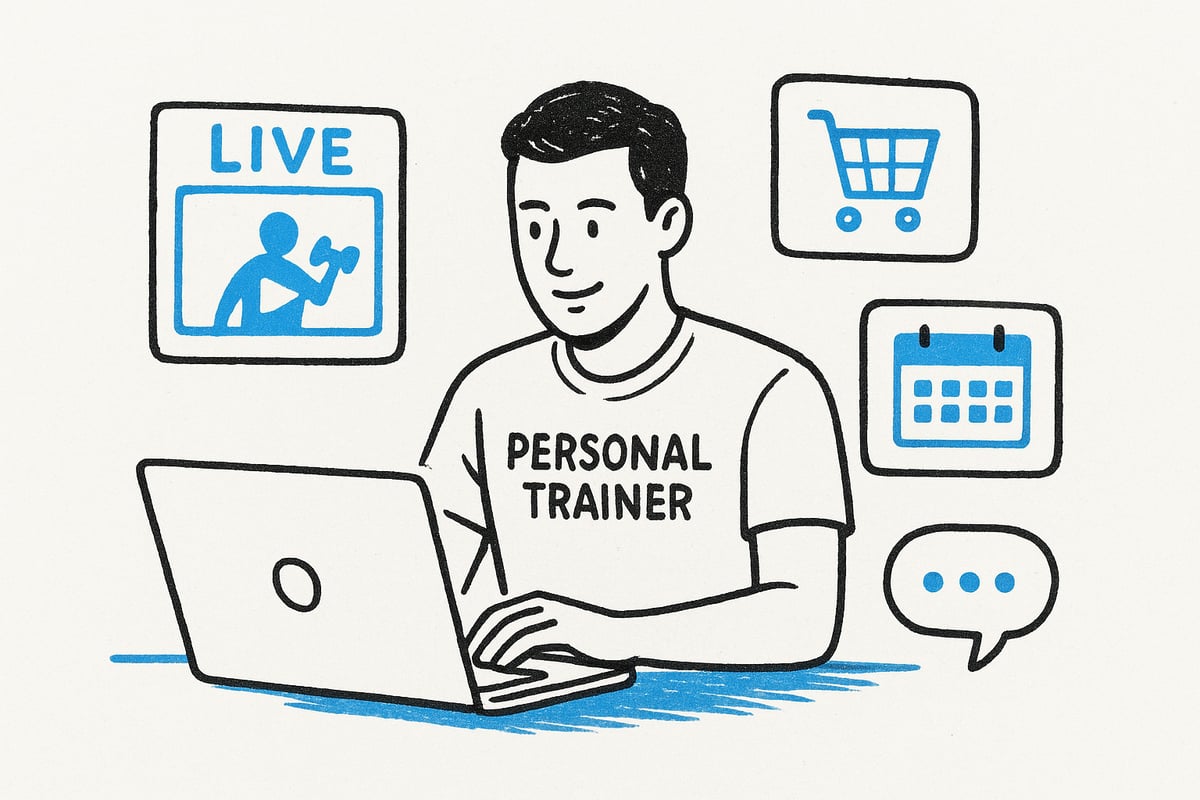
The rise of remote fitness has made virtual training a must-have for any personal training website. Deliver live sessions via platforms like Zoom or Trainerize, or provide on-demand workout libraries for clients to access anytime.
Integrating with fitness apps and custom video portals allows trainers to personalize experiences and scale their reach. Virtual training is ideal for clients who travel, prefer home workouts, or want flexible scheduling. By showcasing these online programs on your personal training website, you can attract a broader audience and increase engagement.
Setting Up E-Commerce for Fitness Products and Services
Monetizing your expertise is easier than ever with a robust e-commerce setup on your personal training website. Offer digital programs, nutrition guides, and branded merchandise directly through your site.
Secure payment gateways such as Stripe and integrations with WooCommerce or Shopify streamline transactions and product fulfillment. As Americans plan to invest $60 billion in health and fitness in 2026, now is the time to capitalize on this trend by expanding your online offerings. For more, see Americans’ $60 Billion Health Investment in 2026.
Membership Portals and Community Features
A well-designed personal training website can foster loyalty by offering exclusive member areas and community spaces. Membership portals support recurring billing, accountability groups, and forums where clients connect and share progress.
Platforms like MemberPress or BuddyBoss enable trainers to host private content, manage subscriptions, and create a sense of belonging. These features are essential for building long-lasting relationships and encouraging client retention.
Automating Client Communication and Engagement
Automation is a game-changer for any personal training website. Implement automated email sequences for onboarding, reminders, and upselling additional services. Integrate SMS notifications for appointment alerts or motivational check-ins.
Tools such as Mailchimp and Twilio help trainers maintain consistent communication without manual effort. Automation not only improves client satisfaction but also ensures no opportunity slips through the cracks.
Managing Bookings, Payments, and Scheduling
Efficient client management is at the heart of a successful personal training website. Streamline intake with easy-to-use forms and real-time calendar integrations. Solutions like Calendly and Google Calendar sync make scheduling seamless for both trainers and clients.
Integrated payment processing ensures smooth transactions, while flexible rescheduling options enhance convenience. By simplifying these processes, you deliver a polished, professional experience that keeps clients coming back.
Marketing Your Personal Training Website for Maximum Growth
A strategic marketing plan is essential for your personal training website to gain traction, build a loyal client base, and achieve sustainable growth. Each phase, from launch to long-term optimization, requires a focused approach. Explore these proven strategies to elevate your online presence and maximize your business potential in 2026.
Launching with Impact: Pre-Launch and Go-Live Strategies
Generating excitement before your personal training website goes live can set the stage for rapid growth. Begin by teasing your launch on social media, sharing behind-the-scenes content, and offering early access to your mailing list subscribers.
Create a countdown timer on your landing page to build anticipation. Offer exclusive incentives such as a “Founding Members” discount or special rewards for the first sign-ups. These tactics encourage your audience to take action and spread the word about your new platform.
A successful launch is not just about going live, but about making a memorable first impression that drives immediate engagement to your personal training website.
Leveraging Social Media and Influencer Partnerships
Social media is a powerful engine for attracting clients to your personal training website. Platforms like Instagram, TikTok, and Facebook allow you to showcase results, share workout tips, and engage directly with your audience.
Partnering with local influencers or fitness brands can amplify your reach. Consider collaborative live sessions, giveaways, or guest posts to tap into new communities. Remember, 49% of clients discover trainers via Instagram, so consistent, authentic content is key.
By fostering genuine relationships and sharing client success stories, you build both trust and visibility for your personal training website.
Running Paid Ad Campaigns for Lead Generation
Paid advertising can accelerate the growth of your personal training website by targeting high-intent prospects. Utilize Google Ads and Facebook or Instagram Ads to reach potential clients in your local area or niche.
Design ad campaigns that highlight unique offers, such as a “Free First Session.” Leverage retargeting to remind previous site visitors to return and book a session. Monitor ad performance and optimize your budget for the best cost per lead.
A well-executed ad strategy ensures your personal training website consistently attracts qualified leads ready to convert.
Building and Nurturing an Email List
Growing a robust email list helps you maintain direct communication with visitors to your personal training website. Use lead magnets like downloadable meal plans, workout guides, or exclusive video content to encourage signups.
Segment your list to deliver personalized messages to new leads and current clients. Automated drip campaigns, such as weekly “Trainer Tips,” keep your audience engaged and nurture them toward bookings or program purchases.
Email marketing remains one of the most effective channels for building loyalty and driving repeat business on your personal training website.
Reputation Management and Review Generation
A strong reputation is vital for building trust and credibility for your personal training website. Encourage satisfied clients to leave reviews on Google and social media. Implement automated follow-up emails after sessions, making it easy for clients to share their experiences.
Promptly respond to all feedback, both positive and negative, to demonstrate your commitment to client satisfaction. Display testimonials, certifications, and affiliations prominently on your site.
Effective reputation management not only attracts new visitors but also reassures prospects considering your personal training website.
Measuring Marketing ROI and Scaling Efforts
Tracking your marketing performance is essential for scaling your personal training website. Monitor key metrics such as cost per lead, conversion rates, and client lifetime value to identify what works best.
Use a simple table to compare campaign effectiveness:
| Metric | Campaign A | Campaign B |
|---|---|---|
| Cost per Lead | $15 | $10 |
| Conversion Rate | 4% | 6% |
| Client Lifetime Value | $800 | $950 |
Adjust your strategies based on these insights. As the fitness industry continues to expand, referencing resources like the Global Health and Fitness Club Market Analysis 2026–2035 can help you align your growth tactics with broader industry trends.
By consistently evaluating and refining your approach, your personal training website can achieve sustained growth and stay ahead of the competition.
Future-Proofing Your Personal Training Website for 2026 and Beyond
Staying ahead in the digital fitness industry requires more than just a modern personal training website. To stand out and remain competitive, you must proactively embrace new technology, personalize user experiences, leverage data, expand your reach, and ensure ongoing compliance and professional growth.
Adapting to Emerging Fitness Technology Trends
The fitness industry is evolving rapidly, and your personal training website must keep pace with cutting-edge technology. Integrations with wearables, such as Apple Health or Fitbit, allow you to track client progress seamlessly. AI-driven coaching tools deliver real-time feedback, while VR and AR workouts provide immersive training experiences.
Consider exploring the 2026 Fitness Industry Annual Prediction Report to understand which trends will shape your business landscape. By adopting these technologies early, your personal training website can attract tech-savvy clients and position your brand as forward-thinking.
Personalization and AI for Enhanced User Experience
Personalization is a game-changer for any personal training website. AI chatbots offer instant support, answering questions and qualifying leads 24/7. Advanced algorithms can recommend personalized workouts based on user data, increasing client satisfaction and retention.
Implementing onboarding quizzes and progress trackers tailored to each user makes your website feel like a digital fitness concierge. When clients receive content and programs that match their goals, they are more likely to engage and see results, reinforcing your website’s value.
Leveraging Data Analytics for Business Growth
Harnessing data analytics is essential for the growth of your personal training website. Modern analytics dashboards help you monitor user engagement, session duration, and conversion funnels. By analyzing these metrics, you can refine your service offerings and marketing tactics.
Predictive analytics can identify emerging client needs, allowing you to adjust your programs before competitors do. Tracking retention and churn rates also helps you pinpoint areas for improvement, ensuring your business stays agile as the market shifts.
Expanding Services: Hybrid and Global Models
The future of fitness is hybrid. Your personal training website should cater to both in-person and remote clients. By offering digital programs, virtual group classes, and international scheduling options, you can reach clients across time zones and borders.
A hybrid model not only increases revenue streams but also provides flexibility for clients who travel or prefer online sessions. This approach ensures your services remain relevant and accessible, regardless of geographic limitations.
Ensuring Security, Privacy, and Compliance
As your personal training website collects more client data, security and privacy must be top priorities. Implement two-factor authentication, conduct regular security audits, and update your privacy policy to reflect the latest regulations.
To maintain a robust and compliant website, consider leveraging professional website maintenance for personal training services. These solutions help safeguard sensitive information and keep your site aligned with evolving standards.
Continuous Learning and Professional Development
To keep your personal training website ahead of the curve, invest in ongoing education. Stay updated with the latest fitness certifications and digital marketing trends. Join industry associations, attend webinars, and participate in annual conferences.
Continuous learning enables you to adapt quickly and offer clients the most current expertise. It also positions your brand as a trusted authority, attracting new clients seeking knowledgeable professionals.
Ready to put your blueprint into action and watch your personal training business thrive in 2026? You now know how to define your brand, create a high-converting website, and master the latest digital strategies—so why not take the next step with support tailored specifically for wellness professionals? At DareToWellness, we handle every part of your online presence, from ongoing updates to local SEO, so you can focus on what you do best. If you want a partner committed to your success, let’s make your vision a reality—Work with us now.