
The digital landscape for coaching businesses is transforming quickly as we look toward 2026. With more professionals and clients moving online, having effective coaching sites is no longer optional, it is essential for growth and visibility.
In this article, we reveal the nine most vital strategies every coaching professional should know to ensure their website stands out and thrives. Our goal is to provide you with practical, up-to-date techniques that drive engagement, enhance client conversion, and foster business expansion.
Discover the trends in design, content, technology, and lead generation that will define success in a highly competitive market.
The Evolving Coaching Site Landscape in 2026
The landscape for coaching sites has transformed more in the last few years than ever before. As we approach 2026, these shifts are not only redefining how coaching businesses operate online, but also raising the bar for what clients expect from digital experiences.
Major Shifts in Digital Adoption and Expectations
Since 2020, there has been a dramatic increase in digital adoption among coaching professionals. More coaching sites are now central to the client journey, serving as the primary touchpoint for discovery, engagement, and retention.
Clients today expect seamless online experiences, intuitive navigation, and immediate access to resources. This evolution means coaching sites must deliver not just information, but also interactive tools, scheduling, and support to meet rising expectations.
Rise of Remote and Hybrid Coaching Models
The global move toward remote and hybrid coaching models has expanded the reach of coaching sites. Instead of focusing solely on local markets, coaching businesses can now attract clients from around the world.
This shift requires coaching sites to support varied time zones, languages, and cultural needs. As a result, features like real-time booking, multilingual content, and virtual meeting integrations have become standard, ensuring each visitor feels welcomed and understood.
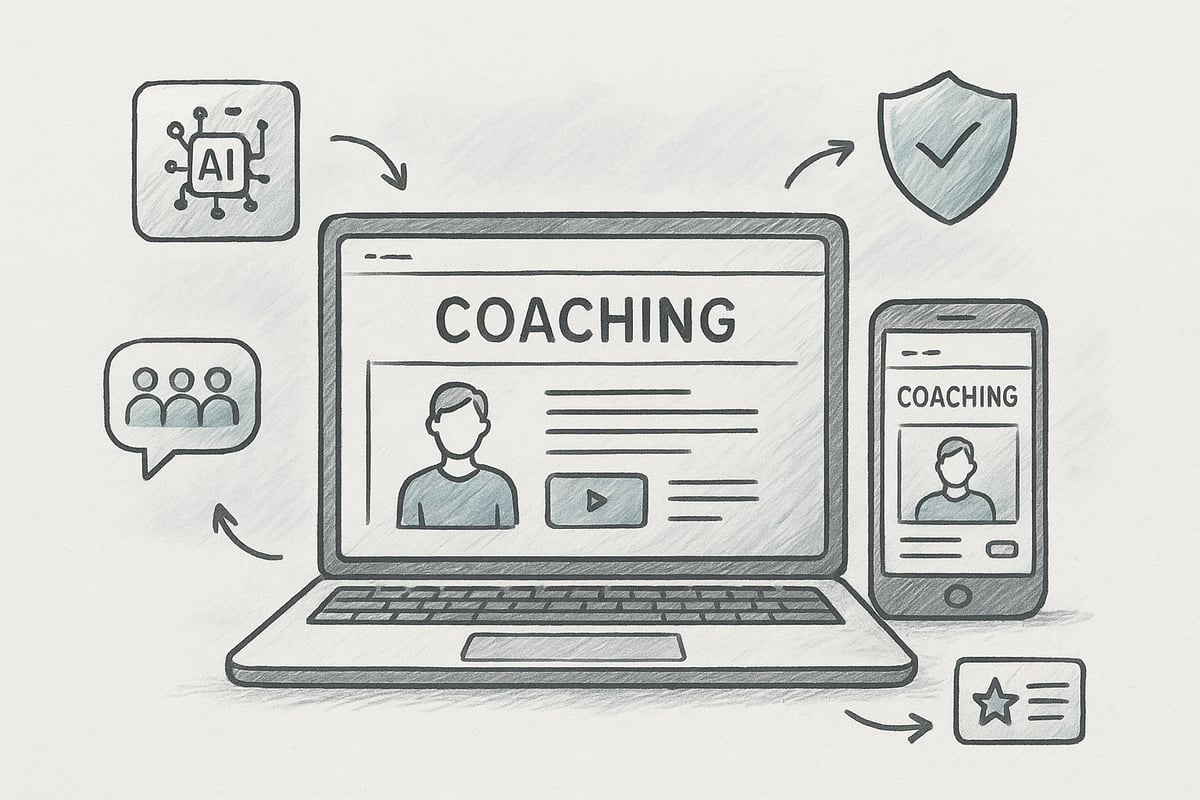
Mobile-First Design, Accessibility, and AI Integration
With mobile usage climbing, mobile-first design is now essential for coaching sites. Responsive layouts, touch-friendly navigation, and fast load times are no longer optional.
Accessibility is also gaining attention, as user demographics diversify and regulations become stricter. Sites that prioritize accessible design, such as clear fonts, high-contrast colors, and alt text, are seeing better engagement and higher conversion rates.
AI-driven personalization is another defining trend. From chatbots that answer questions instantly to tailored content recommendations, automation enhances both user satisfaction and operational efficiency. For a deeper dive into what makes coaching sites functional and future-ready, see Building Functional Coaching Websites.
Security, Trust, Community, and Measurable Growth
With growing concerns around privacy and data protection, secure and privacy-compliant coaching sites are now a baseline requirement. Features like encrypted payments and transparent policies build client trust.
Social proof—such as testimonials, ratings, and real-time reviews—has become vital for credibility. Clients rely on the experiences of others before making decisions, so displaying this feedback prominently is key.
Community features like forums, group sessions, and live Q&A are on the rise. These tools not only boost retention but also foster a sense of belonging among clients.
Recent surveys highlight these trends: since the pandemic, coaching sites have seen a 40% increase in traffic and a 30% rise in online bookings. The data confirms that embracing these changes is not just wise, but necessary for sustained growth.
9 Essential Strategies for Coaching Sites in 2026
A successful coaching business in 2026 depends on how well its digital presence adapts to new trends and client needs. The following nine strategies are essential for coaching sites that want to grow, engage, and convert in a crowded marketplace.
1. Prioritize User Experience and Accessibility
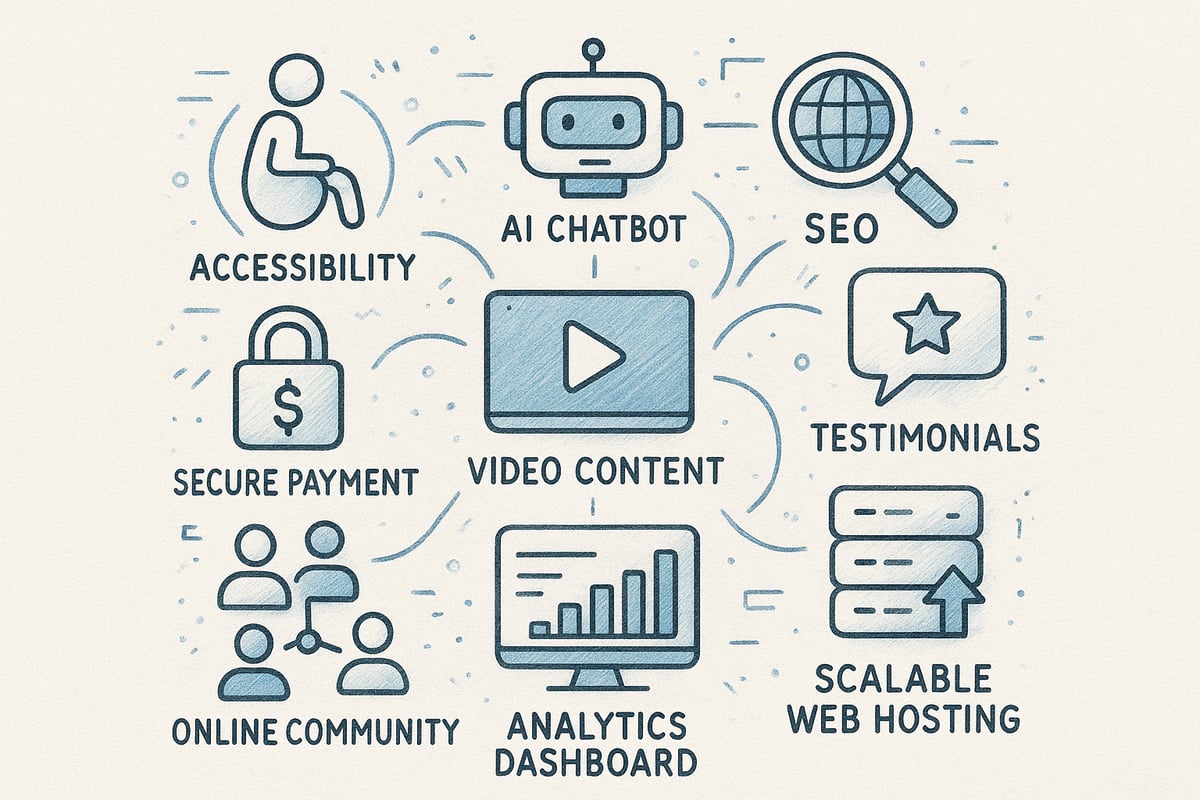
User experience is the foundation of successful coaching sites. Visitors expect intuitive navigation, clear calls-to-action, and seamless movement between sections. When coaching sites make it easy for users to find information and book services, bounce rates drop and conversions rise.
Accessibility is crucial as your audience becomes more diverse. Design your coaching sites to be usable by everyone, including those with disabilities. This means using contrasting colors, legible fonts, and providing alt text for all images. Fast-loading pages and minimalistic layouts keep users engaged across all devices.
Legal compliance with accessibility standards protects your business and broadens your client base. High accessibility scores often correlate with up to 25% higher conversion rates. If you want to see how optimized user experience can improve results, explore High-Converting Websites for Coaches for real-world strategies.
Mobile-first design is non-negotiable. With more clients accessing coaching sites via smartphones, responsive layouts ensure your content looks great everywhere. Regularly test your site structure on different devices to catch any usability gaps.
2. Harness AI-Powered Personalization
Artificial intelligence is transforming coaching sites by enabling real-time, tailored experiences. AI chatbots offer instant support, answer questions, and qualify leads even outside business hours. By implementing dynamic content recommendations based on visitor behavior, coaching sites can deliver relevant resources that keep users engaged.
Personalized onboarding is another way coaching sites stand out. When new clients receive content and guidance tailored to their goals, they are more likely to commit and succeed. AI also automates appointment scheduling, confirmations, and follow-ups, reducing manual workload and enhancing professionalism.
Sites leveraging AI-powered personalization report up to a 30% increase in session duration. Choose AI features that align with your coaching approach, ensuring technology supports, not replaces, the human touch. Regularly review analytics to refine these personalized experiences and maximize engagement on coaching sites.
3. Optimize for Search Engines and Local Discovery
Visibility is key for coaching sites to attract new clients. Advanced SEO strategies, such as targeting coaching-specific keywords and phrases, drive organic traffic. Local SEO is equally important, especially with the rise of remote and hybrid coaching models. Optimizing your Google Business profile and creating dedicated location pages help you reach clients searching nearby.
Schema markup for events, services, and testimonials enhances how coaching sites appear in search results, making listings more informative and clickable. Maintaining a regularly updated blog with relevant, high-value topics signals to search engines that your coaching sites are active and authoritative.
Mobile SEO and voice search optimization are no longer optional. As more users find coaching sites via smartphones and smart speakers, ensure your content is structured for quick, conversational queries. Sites with active blogs have been shown to receive 55% more organic traffic, so keep your content fresh.
4. Build Trust with Social Proof and Client Results
Trust is the currency of coaching sites. Displaying authentic testimonials, case studies, and success stories helps potential clients envision their own success. Real-time reviews and ratings from reputable platforms add credibility and foster transparency.
Highlight your certifications, credentials, and industry affiliations to reassure visitors of your expertise. Use before-and-after data to visually demonstrate client progress, making your value tangible. Sites rich in social proof convert up to 20% more visitors, underlining its importance.
Best practices for collecting feedback include sending post-session surveys, encouraging public reviews, and showcasing highlights on your homepage. Organize testimonials by coaching specialty to help prospects find stories that resonate. Consistent updates keep your social proof current and relevant.
5. Create Compelling, Value-Driven Content
Content is the engine that drives coaching sites forward. Develop educational resources such as eBooks, webinars, and downloadable guides to establish authority and give visitors a taste of your expertise. Free value, like workbooks or mini-courses, builds trust and encourages sign-ups.
Regularly update your blog with actionable tips and industry insights. Video content is especially powerful, doubling the average time visitors spend on coaching sites and making complex topics more accessible. Use video to explain your process, share client success stories, or host Q&A sessions.
Repurpose content across multiple channels, including social media, email, and your coaching sites' resource libraries. This multiplies your reach and reinforces your brand message. Track which content types generate the most engagement and double down on those formats.
6. Implement Secure, Seamless Booking and Payment Systems
Streamlined booking and payment are must-haves for modern coaching sites. Integrate industry-standard solutions that sync with your calendar and allow clients to book sessions in real time. Offer multiple payment options, including digital wallets and subscription plans, to accommodate preferences.
All transactions on coaching sites must be encrypted and privacy-compliant, ensuring client data remains secure. Automated confirmations and reminders reduce no-shows by as much as 40%, improving efficiency for both you and your clients.
Minimize friction during onboarding by keeping forms short and intuitive. Provide clear next steps immediately after booking, so new clients feel confident and supported. Regularly review your systems to ensure they remain up-to-date and user-friendly.
7. Foster Community and Ongoing Engagement
Community-building features set leading coaching sites apart. Adding forums, group sessions, or live chat capabilities encourages peer-to-peer support and deepens relationships. Email newsletters and exclusive member content foster a sense of belonging and drive retention.
Hosting regular virtual events, such as workshops or live Q&A sessions, keeps clients engaged and invested in their progress. Coaching sites that offer community features see up to 50% higher retention rates, turning one-time clients into long-term members.
Moderate your community spaces to maintain a positive, respectful environment. Encourage clients to share wins, ask questions, and support each other. These interactions not only benefit your clients but also build a loyal brand following for your coaching sites.
8. Leverage Data Analytics for Continuous Improvement
Data-driven decision-making is vital for coaching sites that want to grow efficiently. Track core metrics such as website traffic, conversion rates, and user behavior to identify what is working and what needs adjustment. Analytics tools help you pinpoint high-performing content and optimize underperformers.
A/B testing landing pages and calls-to-action reveals which versions convert best. Monitoring client feedback and adapting your offerings accordingly ensures coaching sites remain aligned with client needs. Sites that use analytics effectively achieve up to three times faster growth in lead generation.
Set up dashboards for easy access to actionable insights. Regular performance reviews keep your strategies fresh and responsive to changing trends. Encourage a culture of experimentation and improvement across your coaching sites.
9. Ensure Scalability and Future-Proofing
Growth-ready coaching sites are built on flexible, scalable platforms. As your client base expands, your website must handle increased traffic and new features without disruption. Regularly update site technology and plugins to maintain security and optimal performance.
Plan for integrations with emerging tools like AI, CRM systems, and marketing automation platforms. Staying ahead of trends, such as voice search and AR/VR coaching, positions your coaching sites as industry leaders.
Scalable sites experience 60% fewer technical disruptions during growth phases. To future-proof your content and design, adopt modular structures that allow for easy updates. Anticipate client needs and invest in technologies that support long-term success.
Integrating Professional Website Solutions for Coaching Success
In 2026, coaching sites must go beyond basic web presence to thrive in a competitive market. With rapid digital advancements and rising client expectations, relying on professional website solutions is now essential for coaching and wellness professionals. A robust, modern site is more than a digital business card—it is a dynamic tool for growth, engagement, and client trust.
Why Partnering with Specialists Elevates Coaching Sites
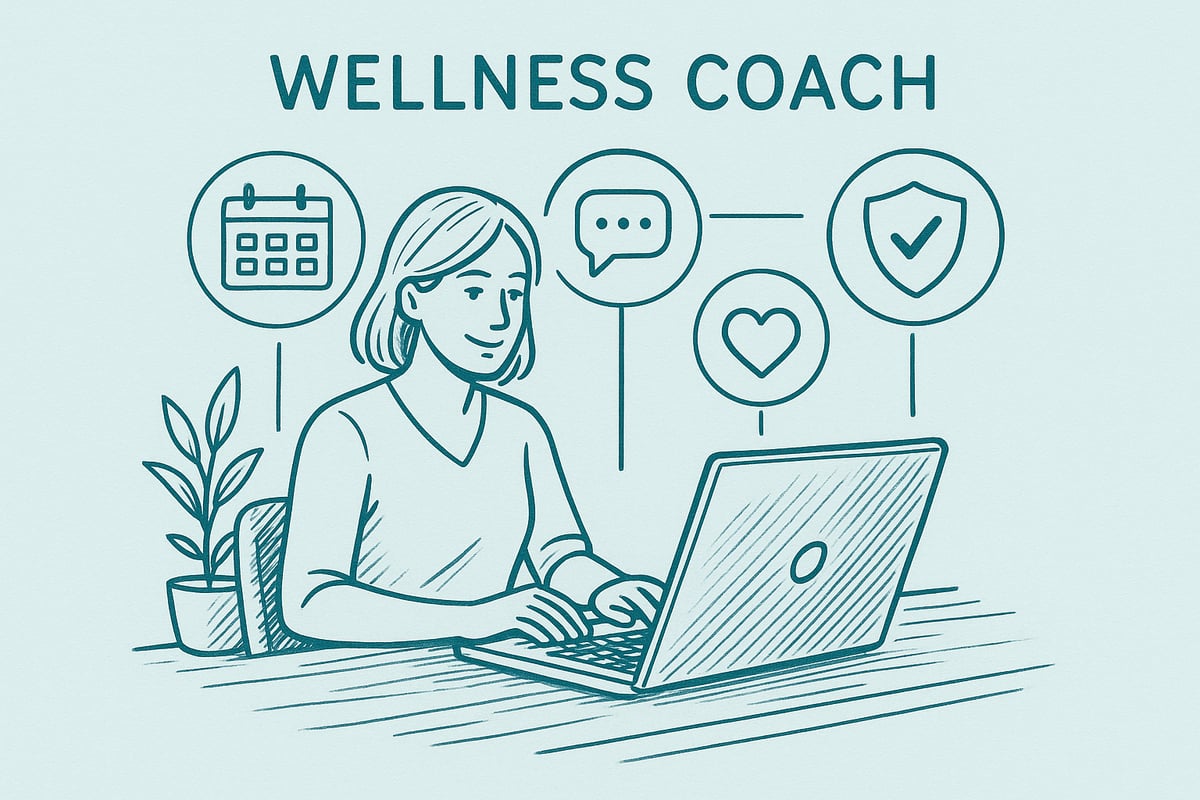
Website specialists who understand the unique needs of coaching sites bring a tailored approach to design, functionality, and content. They ensure your site meets evolving industry standards, from accessibility to mobile optimization. This expertise translates to a site that attracts, engages, and converts your ideal clients, while maintaining a polished and credible brand image.
Comprehensive Management: Design, Maintenance, and Optimization
All-in-one website management streamlines every aspect of your digital presence. Services include design updates, regular maintenance, ongoing SEO, and technical support. This integrated approach not only improves daily site performance but also safeguards coaching sites against security threats and compliance risks. Businesses using managed website services report twice the client acquisition rates compared to those managing sites independently.
Freeing Coaches to Focus on What Matters Most
Professional website care allows coaching sites to focus on client transformation rather than technical troubleshooting. Automated updates, performance monitoring, and support ensure uninterrupted service. Reliable partners also provide proactive improvements so your site stays ahead of industry trends and regulatory changes. This freedom helps coaches dedicate more time to building their practice and serving clients.
Choosing the Right Partner: DareToWellness Solutions
Selecting the right website partner is crucial for the success of coaching sites. Look for providers with industry expertise, transparent pricing, and scalable service models. Website Maintenance for Life Coaching Services offers specialized solutions tailored to the needs of coaching professionals. Their services emphasize hassle-free maintenance, local SEO optimization, and affordable subscriptions, empowering coaches to achieve sustainable online growth and client success.
Measuring the Impact of Your Coaching Site Strategies
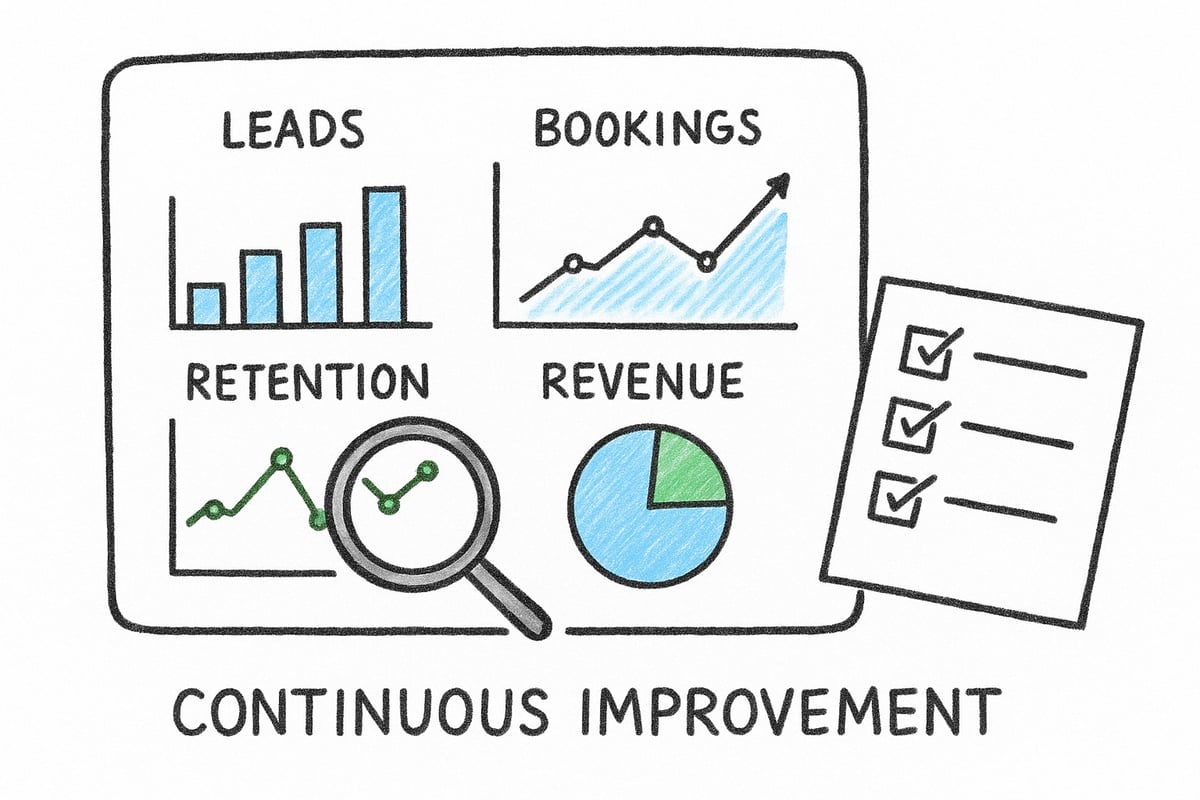
Understanding impact is essential for coaching sites aiming for sustainable growth. By measuring the right metrics, you can transform insights into real results. Start by pinpointing the most relevant key performance indicators (KPIs) for your coaching sites. These typically include leads generated, online bookings completed, client retention rates, and overall revenue growth.
Below is a summary of core KPIs for coaching sites:
| KPI | What It Measures | Why It Matters |
|---|---|---|
| Leads | Number of new inquiries | Gauges site effectiveness |
| Bookings | Scheduled sessions | Tracks client conversion |
| Client Retention | Repeat clients | Indicates satisfaction |
| Revenue Growth | Increase in earnings | Shows business health |
To truly leverage these KPIs, use analytics platforms to track traffic sources, conversion rates, and user behavior. Tools like Google Analytics and heatmaps help you identify which pages on your coaching sites engage visitors most. Monitoring these patterns reveals where users drop off and highlights areas to improve.
Setting benchmarks is just as important as tracking. Compare your coaching sites’ performance against industry standards or your previous results. Establish clear goals, such as increasing bookings or raising retention by a set percentage each quarter. Regularly gather client feedback through surveys and testimonials. This direct input uncovers what resonates with clients and where your services can adapt.
Sites that review performance consistently see up to a 35% boost in client satisfaction. Use this feedback to refine website elements, content, and service offerings. Adjust strategies based on both the quantitative analytics and qualitative responses to maximize the effectiveness of your coaching sites.
Finally, adopt a cycle of ongoing optimization. Stay updated with digital trends and new tools to keep your coaching sites ahead of competitors. Regular audits for SEO, accessibility, and site speed are crucial. Partnering with web specialists for website maintenance for health coaching services ensures your platform remains secure and high-performing. This proactive approach enables you to adapt quickly and maintain strong results in a dynamic online environment.
As you look ahead to 2026, it’s clear that having a high-converting, well-optimized coaching website is no longer just a bonus—it’s a must for growth and client success. If you’re ready to put these nine strategies into action but want to focus on what you do best—coaching—let’s work together. With DareToWellness, you get expert website care, seamless updates, and local SEO enhancement, all tailored for wellness professionals like you. You deserve a beautiful, effective online presence without the stress.
Work with us now