
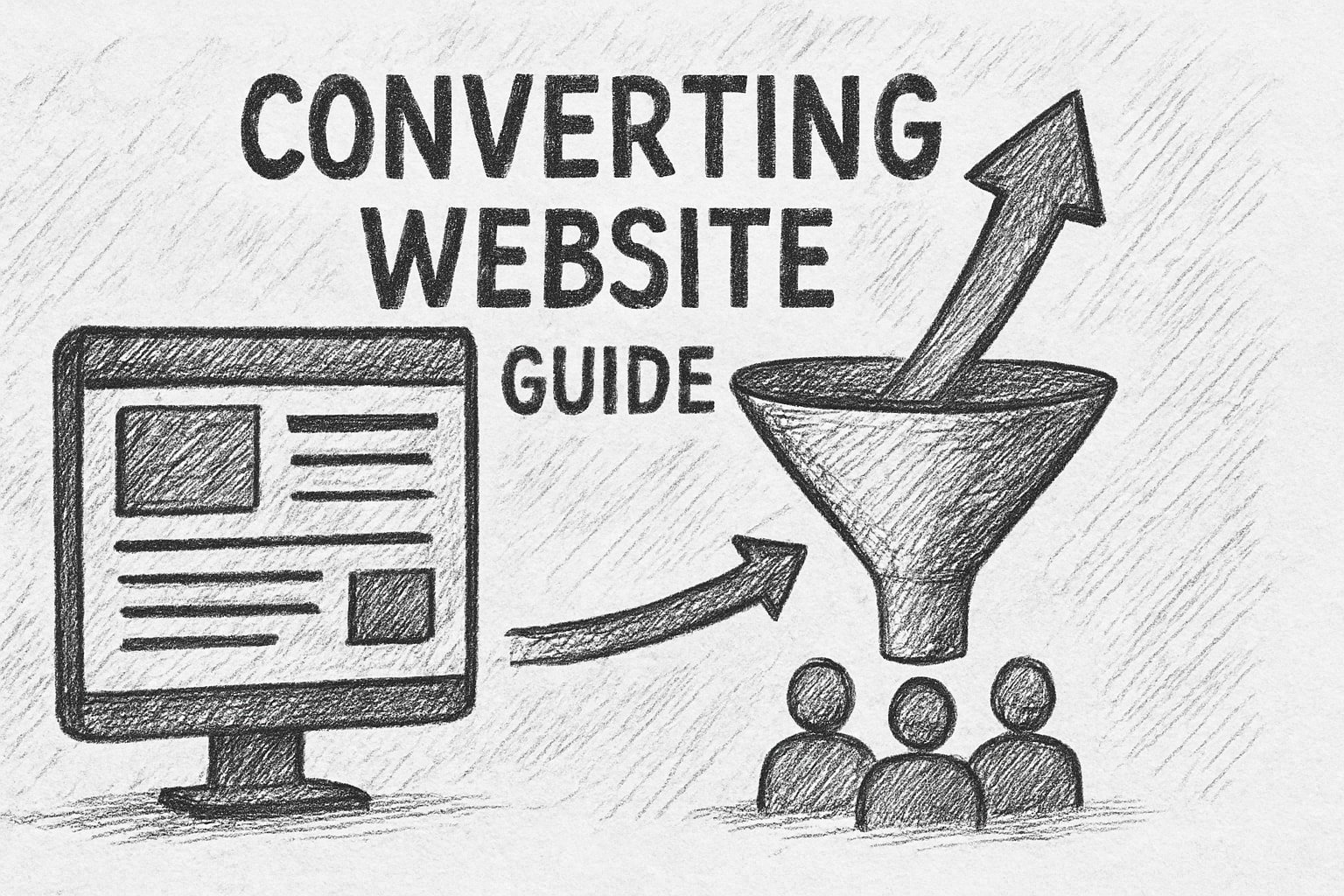
In 2026, standing out online requires more than just an attractive homepage. User expectations are rapidly rising, and competition for attention is fierce. A converting website is now essential for any business aiming for measurable growth in the digital-first world.
Web technologies and user behaviors evolve quickly, so strategies that worked yesterday may not deliver results tomorrow. This guide offers actionable insights and proven methods to transform your site into a converting website that drives real business outcomes.
Follow along for a step-by-step approach to understanding conversion fundamentals, user-centric design, data-driven optimization, personalization, future-proofing, and the latest tools for success.
Understanding Website Conversion in 2026
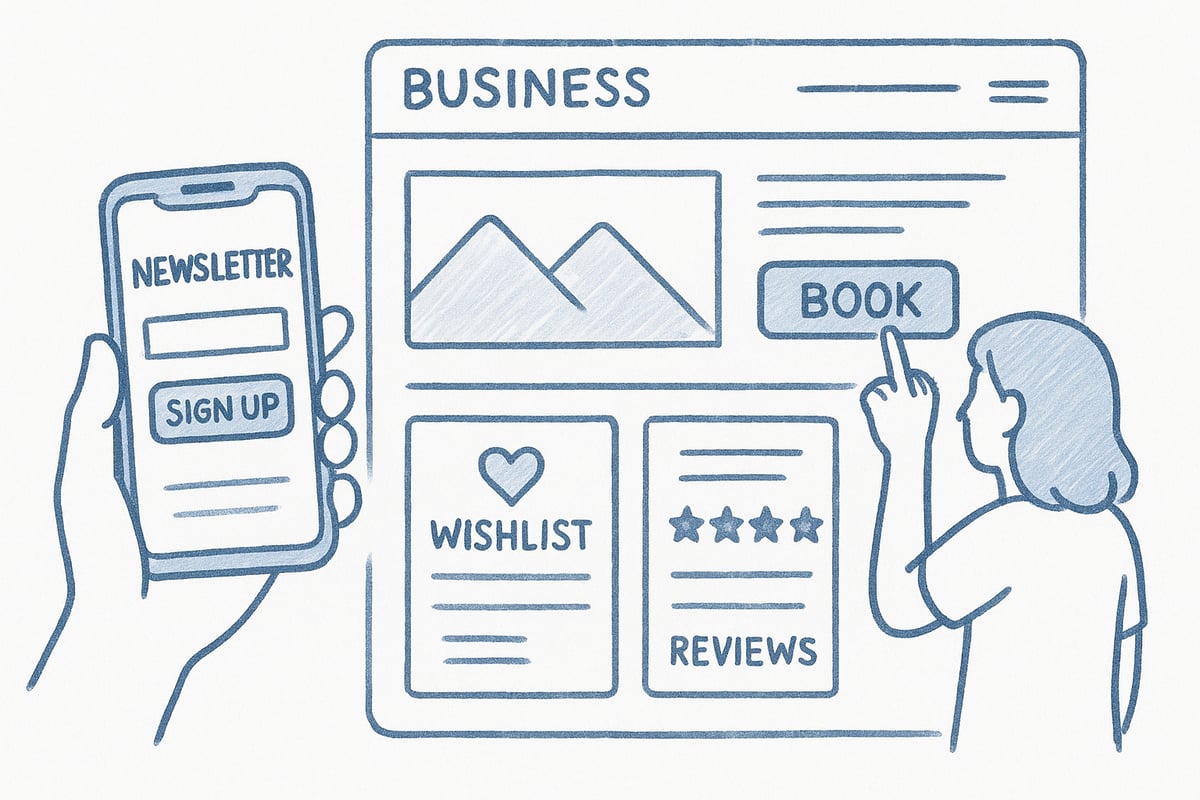
Website conversion in 2026 goes far beyond a simple sale. Any meaningful user action that aligns with business goals counts as a conversion. For most, a converting website now tracks a range of activities: lead forms, newsletter sign-ups, downloads, bookings, and even deep engagement with interactive features. Businesses are expanding their focus to micro-conversions, such as video views or adding products to wishlists, which signal intent and nurture long-term relationships.
Defining Website Conversion and Its Modern Metrics
The definition of a converting website has evolved. In 2026, key performance indicators (KPIs) include micro-conversions, multi-touch attribution, and customer lifetime value. This means every step a user takes, from engaging with content to sharing on social media, is measured. For example, a fitness center might count not only class bookings but also trial downloads and newsletter subscriptions as valuable conversions. Tracking these diverse actions helps businesses understand the full customer journey and optimize each touchpoint.
The Changing Digital Landscape
Today’s digital environment is shaped by rapid advancements in AI, voice search, and the dominance of mobile-first experiences. As a result, user expectations for a converting website are higher than ever. According to Gartner, 82% of users now demand personalized, seamless interactions across devices. Mobile and desktop conversion trends show that mobile experiences are catching up, with businesses refining their sites for speed and accessibility. Companies are investing in adaptive design and AI-driven recommendations to meet these evolving needs.
User Expectations and Trust Factors
Trust is at the core of every converting website. Users expect transparency in pricing, privacy policies, and data usage. They look for trust signals like customer reviews, clear contact information, and security badges before taking action. For instance, displaying transparent pricing, verified testimonials, and SSL certificates can significantly boost conversions. Meeting these expectations builds credibility and encourages users to engage more deeply with your site.
Industry-Specific Conversion Benchmarks
Conversion rates vary by sector, making it crucial to benchmark your performance. In 2026, the wellness industry averages a 4.3% conversion rate, while e-commerce and SaaS see their own distinct metrics. Comparing your results to industry standards helps identify areas for improvement. For a broader perspective on how your converting website measures up, see these average website conversion rates. Regular benchmarking ensures you stay competitive and focused on measurable growth.
Key Arguments and Insights
A converting website is shaped by more than just design. Factors like content quality, site speed, and trustworthiness all play vital roles. Businesses must move beyond vanity metrics and track what truly matters to optimize effectively. With continuous measurement and the right KPIs, any business can transform its website into a powerful conversion engine.
Laying the Foundation: User-Centric Website Design
Creating a converting website in 2026 starts with a foundation built on user-centric design. Businesses must align every element of their site with evolving user expectations, focusing on clarity, speed, and trust. Let’s explore the essential components that transform a standard site into a high-performing, converting website.
Principles of High-Converting Design in 2026
At the heart of every converting website is intuitive, user-focused design. In 2026, top-performing sites prioritize:
- Simple, accessible navigation so users find what they need in seconds.
- Clear visual hierarchy, guiding attention to the most important actions.
- Prominent, action-oriented CTAs that invite interaction and drive conversions.
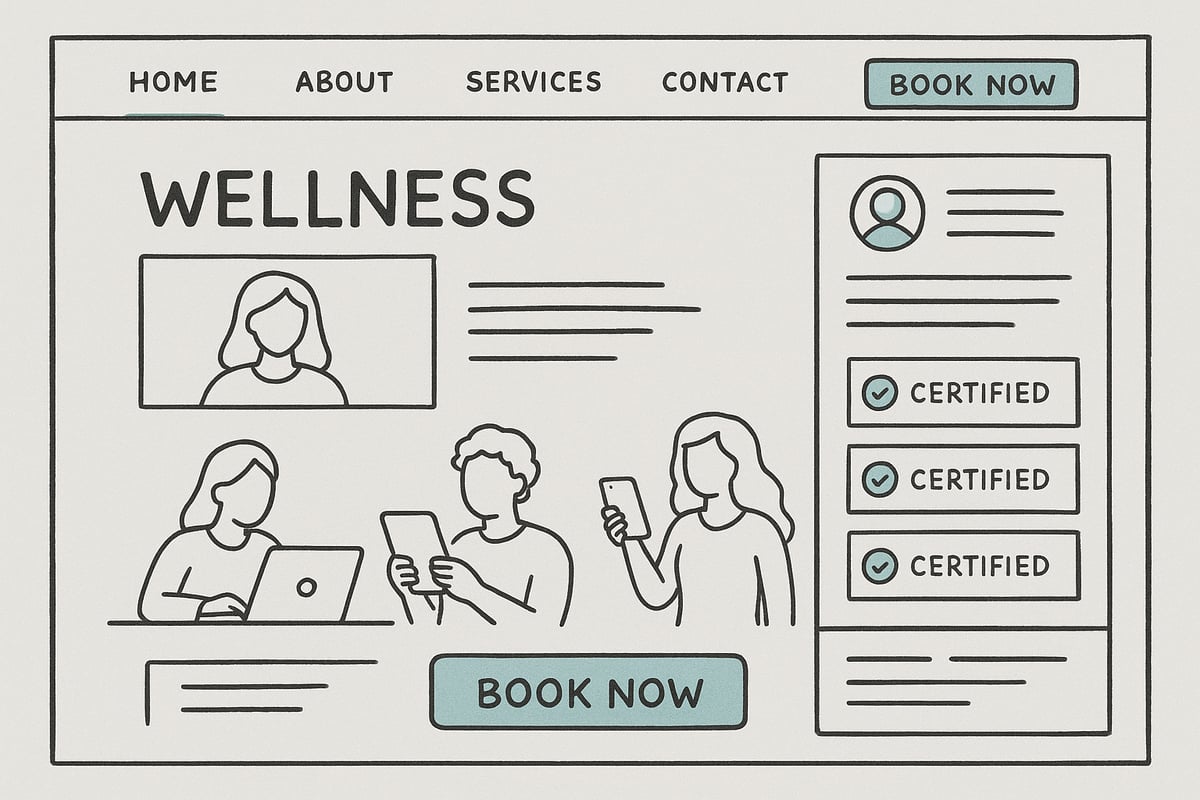
For example, a yoga studio’s converting website uses a streamlined booking flow and visually distinct CTAs, making it easy for visitors to reserve a class. Each design choice is intentional, removing friction and supporting the user’s journey from interest to action.
Mobile-First and Responsive Design
Mobile traffic dominates in 2026, accounting for over 70% of visits. A converting website must deliver seamless experiences across all devices. This means adaptive layouts, optimized images that load quickly, and touch-friendly interfaces.
Sites that ignore mobile-first principles risk losing conversions to competitors. Responsive design ensures every visitor—regardless of device—enjoys a consistently high-quality experience. For more on device trends, see Mobile vs. desktop conversion trends.
Accessibility and Inclusivity
Accessible design is both a legal requirement and an ethical imperative. A converting website meets WCAG 2.2 guidelines, ensuring everyone, including users with disabilities, can navigate and engage. Features like screen reader compatibility, high-contrast options, and keyboard navigation matter.
Consider a fitness center’s converting website with alt text for images, clear headings, and accessible forms. These enhancements not only broaden your audience but also build trust and demonstrate social responsibility.
Speed, Performance, and Core Web Vitals
Site speed is a critical driver of conversion rates. Google’s Core Web Vitals—Largest Contentful Paint, First Input Delay, and Cumulative Layout Shift—directly influence user satisfaction and search rankings.
A converting website that loads in under two seconds can see 15% higher conversions. Optimization tactics include compressing images, leveraging browser caching, and minimizing code. Regular performance audits help maintain top-tier speed and reliability.
| Core Web Vital | Target for High Conversion |
|---|---|
| Largest Contentful Paint | Under 2.5 seconds |
| First Input Delay | Under 100 ms |
| Cumulative Layout Shift | Under 0.1 |
Content Structure and Readability
Effective content structure is essential for a converting website. Break up text with headings, bullet points, and engaging visuals. Users scan rather than read, so clarity is key.
A spa’s site, for example, might use before-and-after galleries, testimonials, and concise service descriptions. These elements make information digestible and persuasive, increasing the likelihood of conversion.
Trust-Building Elements
Trust is the foundation of every converting website. Users look for signals that reassure them about safety, credibility, and transparency.
Key trust-building features include:
- Displaying customer reviews and ratings
- Showcasing certifications and industry affiliations
- Providing transparent pricing and policies
- Featuring security badges and privacy assurances
A wellness coach’s site, for instance, highlights client success stories and accreditations, giving visitors confidence in their decision to engage.
DareToWellness: Wellness Website Solutions
For wellness businesses seeking a truly converting website, DareToWellness offers specialized solutions. Their expertise ensures every design choice resonates with your target audience, from visual branding to seamless booking systems.
DareToWellness provides all-inclusive packages that cover ongoing updates, optimization, and support. This approach is crucial for sustaining a converting website in a fast-evolving digital landscape. With transparent monthly pricing, wellness entrepreneurs can focus on growth, knowing their site is always conversion-ready. To see real-world examples and strategies, visit High-Converting Websites for Wellness.
Data-Driven Optimization: Testing, Analytics & Iteration
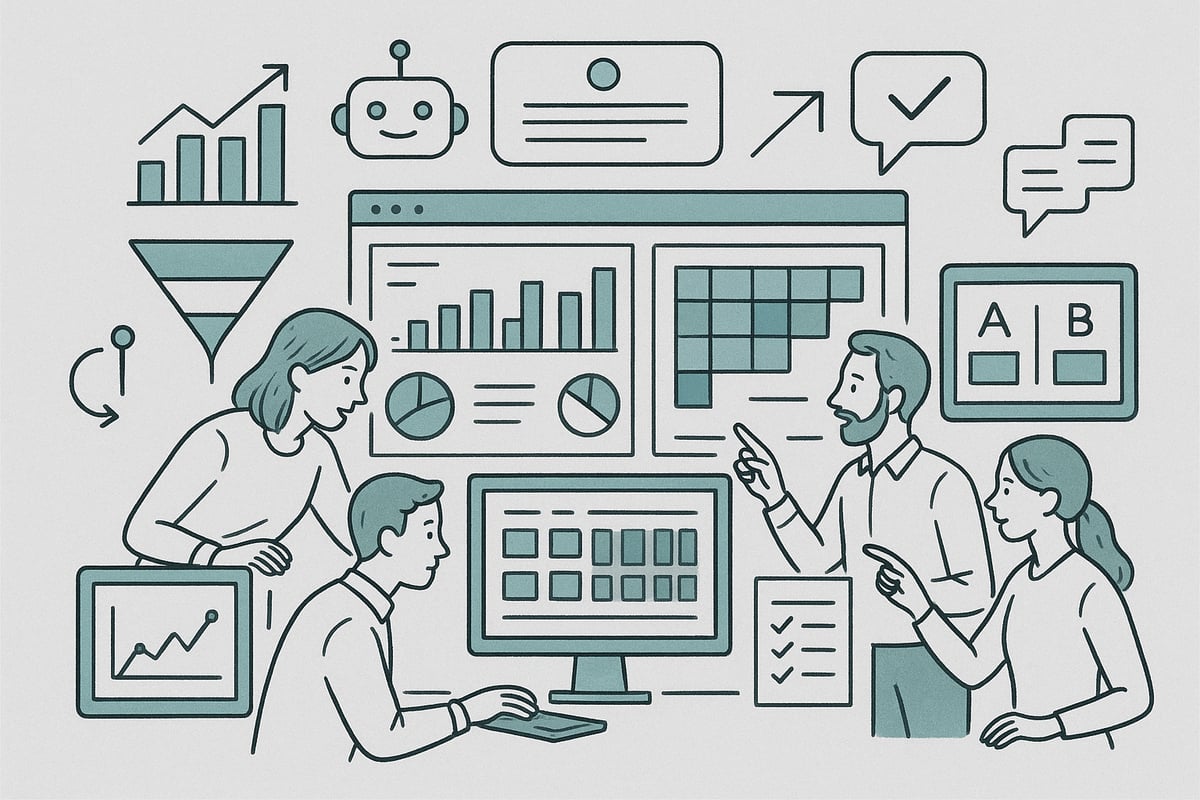
A converting website in 2026 does not happen by accident. Instead, it is the result of careful measurement, continuous learning, and smart experimentation. Data-driven optimization empowers businesses to move beyond guesswork and focus on what truly drives results. Let us break down each step of the optimization process for a converting website.
Setting Up Conversion Tracking and Analytics
The foundation of any converting website is robust analytics. In 2026, most businesses rely on tools like GA4, AI-powered analytics, and privacy-compliant data collection. These solutions track everything from purchases to engagement, offering a holistic view of user actions.
For example, a spa can monitor form submissions, appointment bookings, and content downloads. With accurate tracking, it is possible to see what drives a converting website and where visitors drop off. Always define your goals and micro-conversions clearly to ensure you are measuring what matters.
A/B Testing and Multivariate Testing
Testing is the engine of growth for a converting website. A/B testing lets you compare two versions of a page or element, while multivariate testing examines how multiple changes interact. Start with a hypothesis, ensure a statistically significant sample size, and run tests for a sufficient duration.
According to Unbounce, businesses that run monthly A/B tests achieve 22% higher conversion growth. Prioritize high-impact areas, such as headlines, CTAs, and forms. Use test results to iterate and avoid relying on intuition alone when optimizing your converting website.
Heatmaps, Session Recordings, and User Feedback
Understanding user behavior is crucial for a converting website. Heatmaps reveal where visitors click, scroll, or get stuck, while session recordings offer a real-time replay of user journeys. These insights help pinpoint friction points that may hinder conversions.
For instance, a fitness center discovered users abandoned sign-up forms midway. By reviewing session recordings, they simplified the process and increased conversions. Pair these tools with direct user feedback for a well-rounded view of how your converting website performs.
Leveraging AI and Machine Learning for Insights
AI-driven optimization is now a must for a converting website. Machine learning tools analyze vast datasets to uncover patterns and suggest improvements. These platforms can recommend content tweaks, layout changes, or personalized CTAs based on real-time data.
Consider an AI tool that suggests headline variations to boost landing page conversions. This approach not only saves time but also uncovers opportunities that manual analysis might miss. AI ensures your converting website adapts quickly to changing user preferences and behaviors.
Iterative Improvement Cycles
Optimization is not a one-time event for a converting website. Instead, it is a continuous cycle of testing, learning, and evolving. Implement changes based on your data, observe the impact, and refine further. This iterative approach ensures you never settle for “good enough.”
Teams that embrace ongoing optimization outperform those who treat conversion as a checklist. Regular reviews and updates keep your converting website aligned with user needs and business goals. Use dashboards and progress trackers to stay organized and motivated.
Measuring and Reporting Success
Success for a converting website comes from setting realistic goals, tracking progress, and communicating results. Monthly reporting dashboards, such as those used by yoga studios, visualize key metrics and highlight trends. This transparency ensures stakeholders see the impact of your efforts.
For industry-specific guidance, explore resources like Website Maintenance for Yoga Studios, which demonstrates how ongoing optimization and reporting sustain high conversion rates. Ultimately, consistent measurement and communication turn your converting website into a growth engine for your business.
Personalization & Advanced Engagement Strategies
Personalization has become a cornerstone of any successful converting website in 2026. Businesses that understand and leverage advanced engagement strategies can transform casual visitors into loyal customers. From dynamic content to robust privacy measures, these tactics ensure every user journey feels unique, relevant, and secure.
Dynamic Content and Personalization Engines
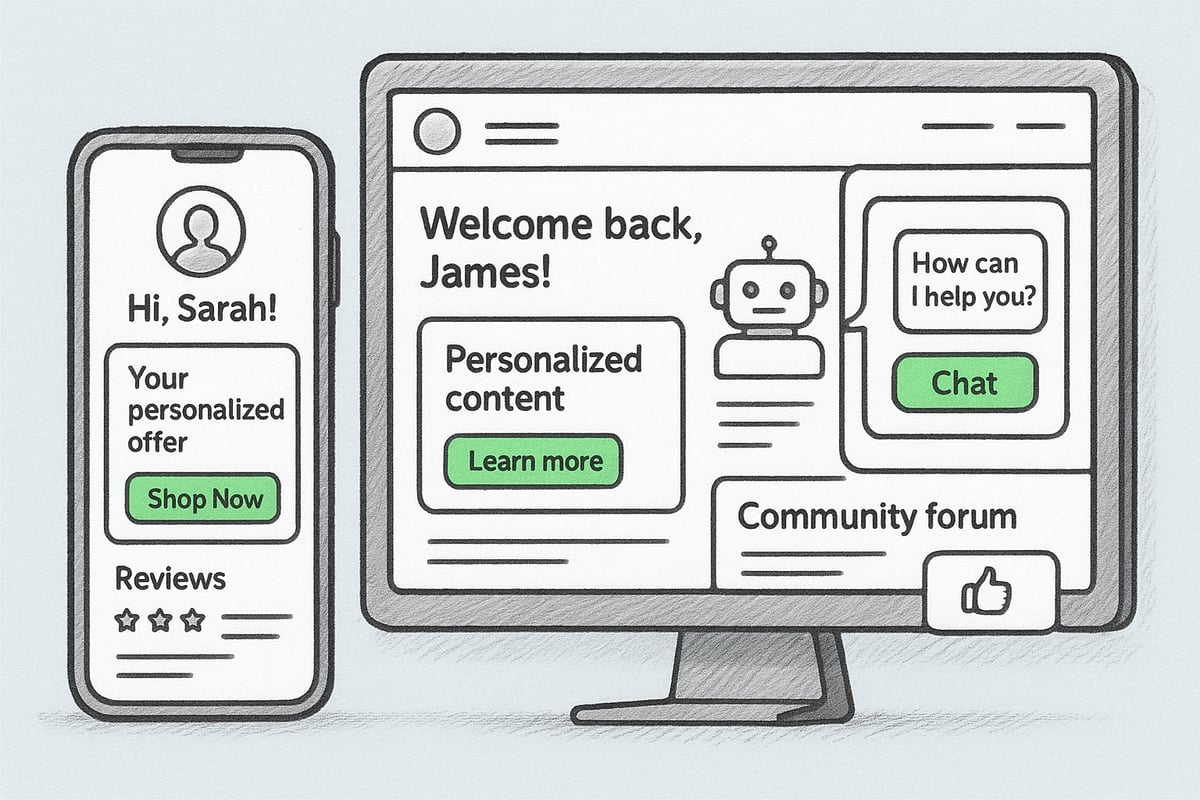
Delivering real-time, personalized experiences is essential for a converting website. Personalization engines analyze user data, such as browsing history and location, to display content that resonates with each visitor. For example, a spa site might highlight exclusive offers to returning guests or showcase local promotions based on geographic data.
This approach increases relevance and engagement, making users more likely to take desired actions. Personalized landing pages, product recommendations, and dynamic banners all contribute to higher conversion rates. By focusing on tailored experiences, businesses can differentiate their converting website from generic competitors.
Segmentation and Behavioral Targeting
Segmentation divides your audience into groups based on interests, behaviors, or demographics. Behavioral targeting then serves each segment with relevant content and offers, boosting engagement on your converting website. For instance, new visitors might see introductory discounts, while loyal customers receive exclusive loyalty perks.
Personalized calls-to-action are especially effective, with data showing they convert 202% better than generic ones. According to Personalized calls-to-action effectiveness, businesses that use tailored CTAs see significant improvements in conversion rates. Implementing segmentation ensures every user feels understood and valued, directly impacting your site's success.
Automation and AI Chatbots
AI chatbots have redefined user engagement for the converting website. These intelligent tools provide instant responses, guide users through booking or purchasing, and answer frequently asked questions around the clock. For example, a wellness coach's site can use a chatbot to qualify leads or schedule consultations without human intervention.
Automation extends to follow-up emails, reminders, and abandoned cart recovery, ensuring no opportunity slips through the cracks. By embedding AI-driven support, businesses enhance user satisfaction and streamline the path to conversion. This proactive approach keeps your converting website responsive and efficient.
Retargeting and Remarketing Tactics
Retargeting allows businesses to reconnect with visitors who left without converting. Strategies include personalized email campaigns, SMS reminders, and social media ads tailored to user behavior on your converting website. For example, fitness centers can send class reminders to previous site visitors, encouraging them to return and book.
Remarketing content should be relevant and timely, addressing each user's specific interests or previous actions. By staying top of mind, businesses can recover lost opportunities and increase overall conversion rates. Consistent retargeting ensures your converting website remains a central part of the customer journey.
Community Building and User Engagement Features
Building a sense of community transforms a converting website into an interactive platform. Features like forums, reviews, and loyalty programs encourage repeat visits and active participation. For instance, a yoga studio might offer member-only content or discussion boards where users share experiences and tips.
These interactive elements foster trust and brand loyalty, making users more likely to return and convert again. User-generated content, such as testimonials and reviews, acts as social proof, further enhancing credibility. A vibrant community not only increases engagement but also amplifies the impact of your converting website.
Privacy, Consent, and User Control
Balancing personalization with user privacy is critical for a converting website in 2026. Transparent data practices, clear consent forms, and easy-to-manage privacy settings build trust with visitors. Compliance with GDPR and CCPA regulations is not just a legal obligation but a competitive advantage.
Empowering users to control their data preferences ensures they feel respected and secure. When users trust your site, they are more likely to engage and convert. Ultimately, prioritizing privacy and consent strengthens your converting website's reputation and long-term performance.
Future-Proofing: Adapting to Trends and Technologies
To keep your converting website ahead in 2026, future-proofing is non-negotiable. Rapid shifts in technology, user values, and industry standards mean adaptation is essential. Let us explore the trends and strategies that will define the next generation of high-performing, converting websites.
Preparing for Emerging Technologies
The digital landscape in 2026 is shaped by innovations like voice search, AR/VR, and wearables. Websites must support seamless voice navigation and content discovery, as more users rely on smart assistants. Integrating AR features, such as virtual tours or product try-ons, elevates engagement and conversion rates. Wearable device compatibility ensures your converting website is accessible wherever your users are.
For practical steps, review Functional Website Best Practices to see how foundational elements enable smooth adoption of these technologies. Staying proactive guarantees your converting website delivers cutting-edge experiences.
Sustainability and Ethical Web Practices
Consumers increasingly value brands that demonstrate environmental and ethical responsibility. In 2026, a converting website should prioritize eco-friendly hosting, energy-efficient design, and minimalistic interfaces that reduce digital waste. Ethical UX, including clear consent mechanisms and inclusive content, fosters trust.
According to Nielsen, 68 percent of consumers prefer brands with sustainable digital practices. By embedding these values, your converting website resonates with conscious audiences and stands out in a crowded market.
Security and Compliance
Security is a cornerstone of a converting website’s credibility. Up-to-date SSL certificates, robust data encryption, and compliance with evolving privacy laws like GDPR and CCPA are mandatory. Multi-factor authentication for client portals further protects sensitive data and reassures users.
A converting website that prioritizes security not only meets regulatory requirements but also builds the confidence necessary to convert visitors into loyal customers. Regular audits and transparent privacy policies are best practices for 2026.
Continuous Learning and Skill Development
The web evolves rapidly, making ongoing education essential for your team. Mastering new frameworks, tools, and conversion-focused tactics ensures your converting website remains competitive. Encourage participation in industry courses, webinars, and professional groups.
Teams that invest in continuous learning adapt faster to trends and deliver superior results. A culture of curiosity and improvement keeps your converting website performing at its peak, even as the digital landscape shifts.
Scalability and Flexibility
A future-proof converting website is built for change. Scalability allows you to expand services, integrate new technologies, and adjust to shifts in business models without friction. Flexible platforms and modular design systems streamline updates and feature additions.
For example, a nutritionist might seamlessly add new booking tools or digital products as their business grows. Building with adaptability in mind ensures your converting website supports long-term success and innovation.
Monitoring Industry Benchmarks and Competitors
Staying competitive means tracking industry benchmarks and analyzing top-performing websites. Regularly review competitor strategies, conversion rates, and user experience trends. This proactive approach identifies opportunities for improvement and innovation.
Benchmarking helps you measure your converting website’s progress and set realistic goals. By staying informed, you ensure your digital presence evolves in step with, or ahead of, industry standards.
Essential Tools & Resources for High-Converting Websites
Building a converting website in 2026 requires more than just appealing visuals. The right combination of platforms, optimization tools, and ongoing support is crucial for turning visitors into loyal customers. Below, we break down the categories and top choices every business should consider.
Website Builders and CMS Platforms
Choosing the right platform is foundational for a converting website. In 2026, popular options include WordPress, Webflow, Wix, and custom solutions. Each offers unique strengths:
| Platform | Ease of Use | Flexibility | Integrations | Best for |
|---|---|---|---|---|
| WordPress | High | High | Extensive | Content-heavy sites |
| Webflow | Moderate | Very High | Growing | Design-driven sites |
| Wix | Very High | Moderate | Good | Small businesses |
| Custom | Variable | Custom | Custom | Complex requirements |
For example, a yoga studio prioritizing easy updates and quick integrations might choose Wix or WordPress to streamline its converting website management.
Conversion Rate Optimization (CRO) Tools
A converting website thrives on data. Essential CRO tools in 2026 include A/B testing suites, heatmaps, and analytics dashboards. Leading solutions like Google Optimize, Hotjar, and Unbounce help businesses identify what works.
- Run experiments to improve CTAs and forms.
- Visualize user journeys with heatmaps.
- Monitor metrics in real-time dashboards.
Regular testing ensures every element of your converting website is working toward higher conversions.
Personalization and Automation Platforms
Personalization engines and marketing automation are vital for a converting website. AI-driven platforms like Segment, HubSpot, and ActiveCampaign tailor content and offers to individual users.
- Trigger targeted email flows based on behavior.
- Adjust website content in real-time.
- Automate follow-ups and reminders.
For instance, a fitness center can boost retention by using a CRM to send segmented messages and drive repeat visits to its converting website.
Accessibility & Compliance Checkers
Ensuring accessibility is essential for both legal compliance and user experience. Tools like Axe, WAVE, and Siteimprove scan your converting website for issues and recommend fixes.
- Check for WCAG 2.2 compliance.
- Identify color contrast and navigation barriers.
- Automate accessibility audits.
A spa, for example, can use these tools to ensure everyone can book services seamlessly and confidently.
Speed and Performance Optimization Solutions
Website speed is a direct driver of conversions. Solutions like caching plugins, CDN services, and image optimizers are indispensable. Sites using advanced CDN technology see up to 30% faster load times. For more insights, see the Impact of page load speed on conversions.
- Compress images and enable lazy loading.
- Choose reliable hosting.
- Monitor Core Web Vitals.
A fast converting website keeps users engaged and reduces bounce rates.
Learning Resources and Communities
Continuous learning is key to sustaining a converting website. Top resources include industry blogs, online courses, and peer forums.
- Join communities to share strategies.
- Stay updated with the latest CRO trends.
- Access tutorials and expert advice.
Wellness entrepreneurs, for instance, benefit from connecting with peers to exchange effective tactics for conversion growth.
As we’ve explored, building a high-converting website in 2026 is about so much more than just aesthetics—it’s about understanding your audience, optimizing every touchpoint, and adapting to new technologies. If you’re ready to put these proven strategies into action and want ongoing support tailored to your wellness business, let’s make it happen together. You deserve a seamless online experience that drives real growth while you focus on your passion. If you’re looking for an expert partner who understands your unique needs, Work with us now and take the next step toward measurable results.